Schwendi – A Space for Refinement
The Potential Adaptive Reuse of an Alpine Summer Farm
In Switzerland, two farms disappear every day, for reasons such as a changing climate and economic challenges. With them go not just ways of working and living but places too: farmhouses, barns, alpine huts, and the summer pastures that families used, cared for, and handed down through generations. In the Alps this shift is especially visible. Many mountain huts are now empty for most of the year. Used during the alpine season, afterwards they sit idle, despite their location and the quality of their spaces holding the potential for new uses.
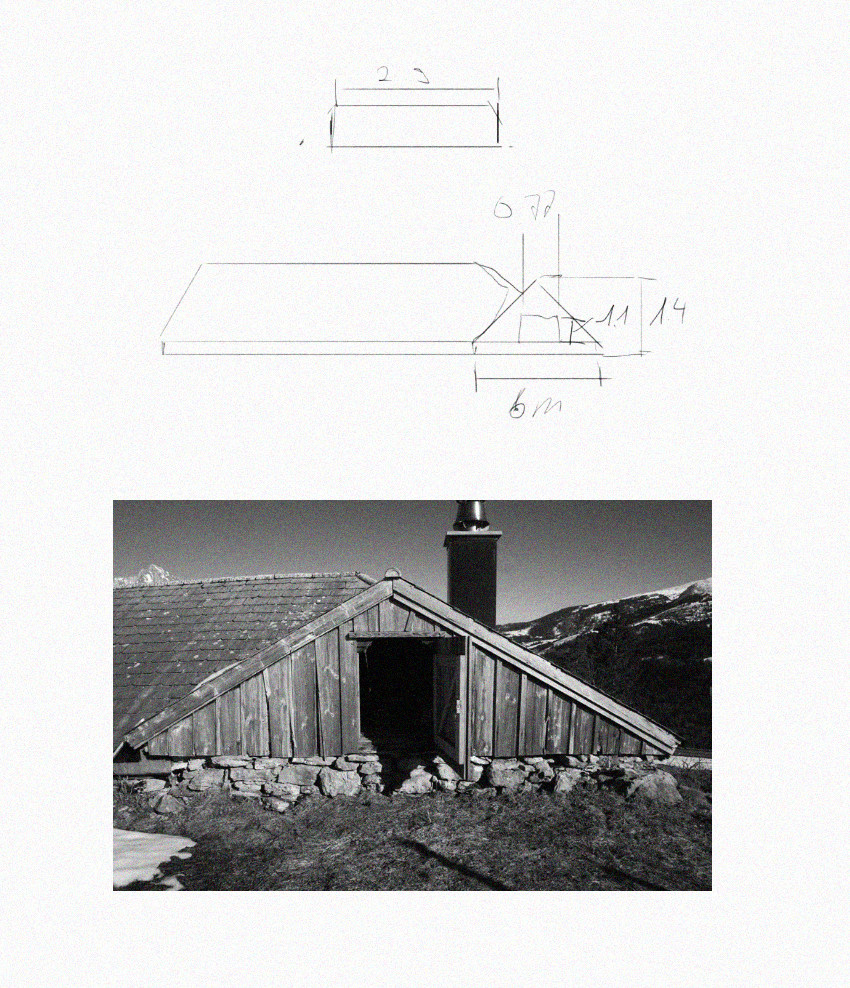
My Bachelor's thesis in Spatial Design at HSLU Lucerne starts here: it asks what challenges and what potential futures summer-pasture farms in the Alps have, and how they can be brought back to life.
My example is the alp called 'Schwendi' in Alt St. Johann, in the canton of St. Gallen. The hut belongs to my father. So for me, it isn't some abstract site to study – it's a very personal starting point. I've wondered for a long time what could happen to this place. Schwendi sits at around 1,100 metres above sea level, on a beautiful slope looking out at the Churfirsten.
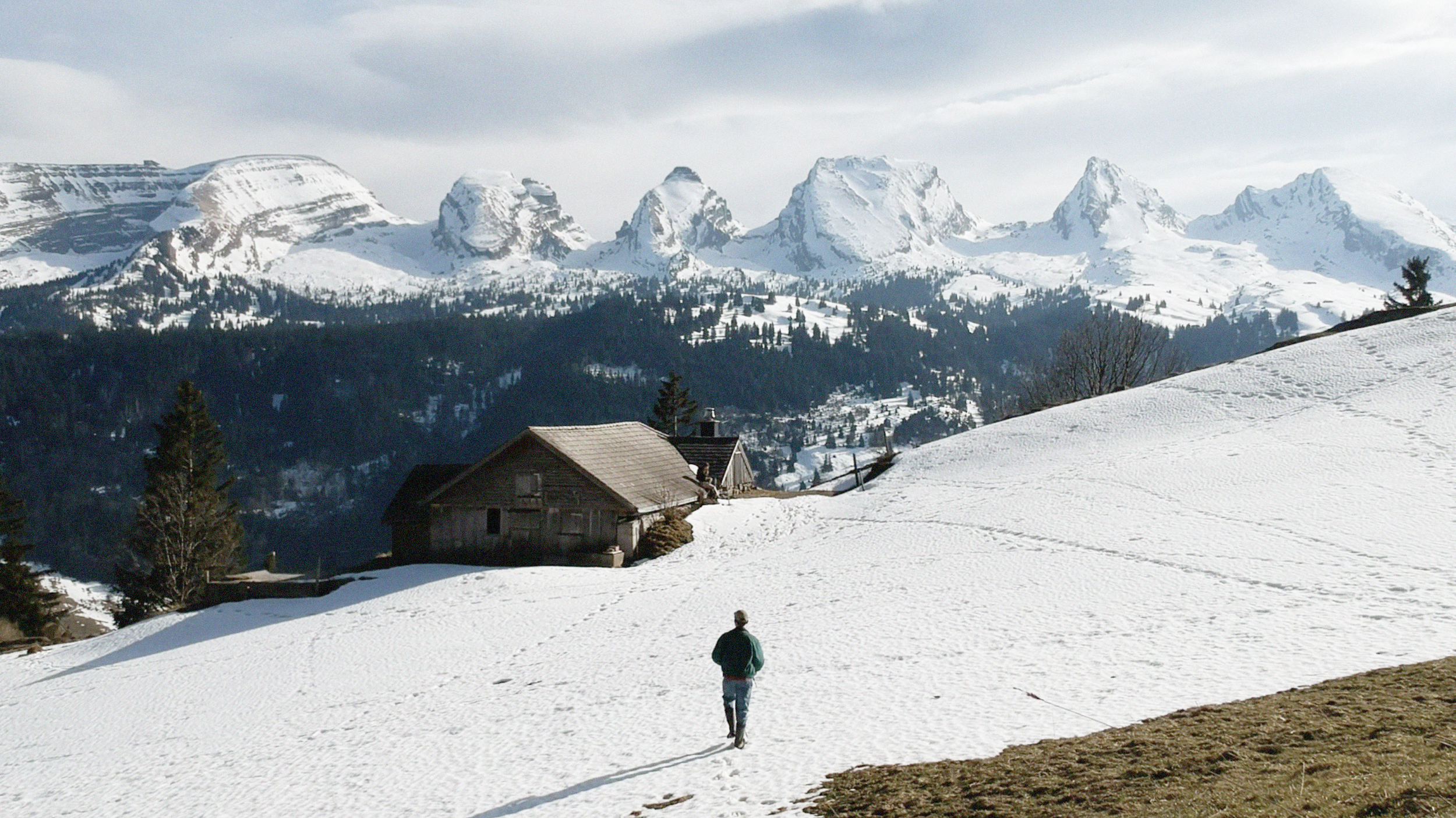
The name 'Schwendi' already tells a story of change. It comes from the Old High German word 'swenten', which means something close to 'to make wither'. It refers to an old clearing method where people stripped the bark from trees so they would die off and new farmland could take their place. That gave me a strong image: a place that first came into being through processes of dying off has the potential to grow something new again today.
My final project develops Schwendi into a space for refining food, without losing the site's original identity as an alp. The idea is that the hut keeps working as a seasonal summer-pasture farm and can also be used all year round with different uses throughout the seasons. This isn't a full conversion of use but an extension of what's already there. On the slopes behind the alp, berries like sea buckthorn or aronia could grow. The altitude makes the fruit ripen more slowly but more intensely. In autumn, they can be harvested and turned into products like vinegar, balsamic, or wine. Over the winter these products keep maturing in the hut's empty rooms.
A new yearly rhythm can take hold. In summer Schwendi can stay a living place of alpine farming. In autumn the harvest and processing can begin. In winter the hut would become a quiet maturing room. In spring the cycle would start over again. The hut isn't replaced; it's added to.
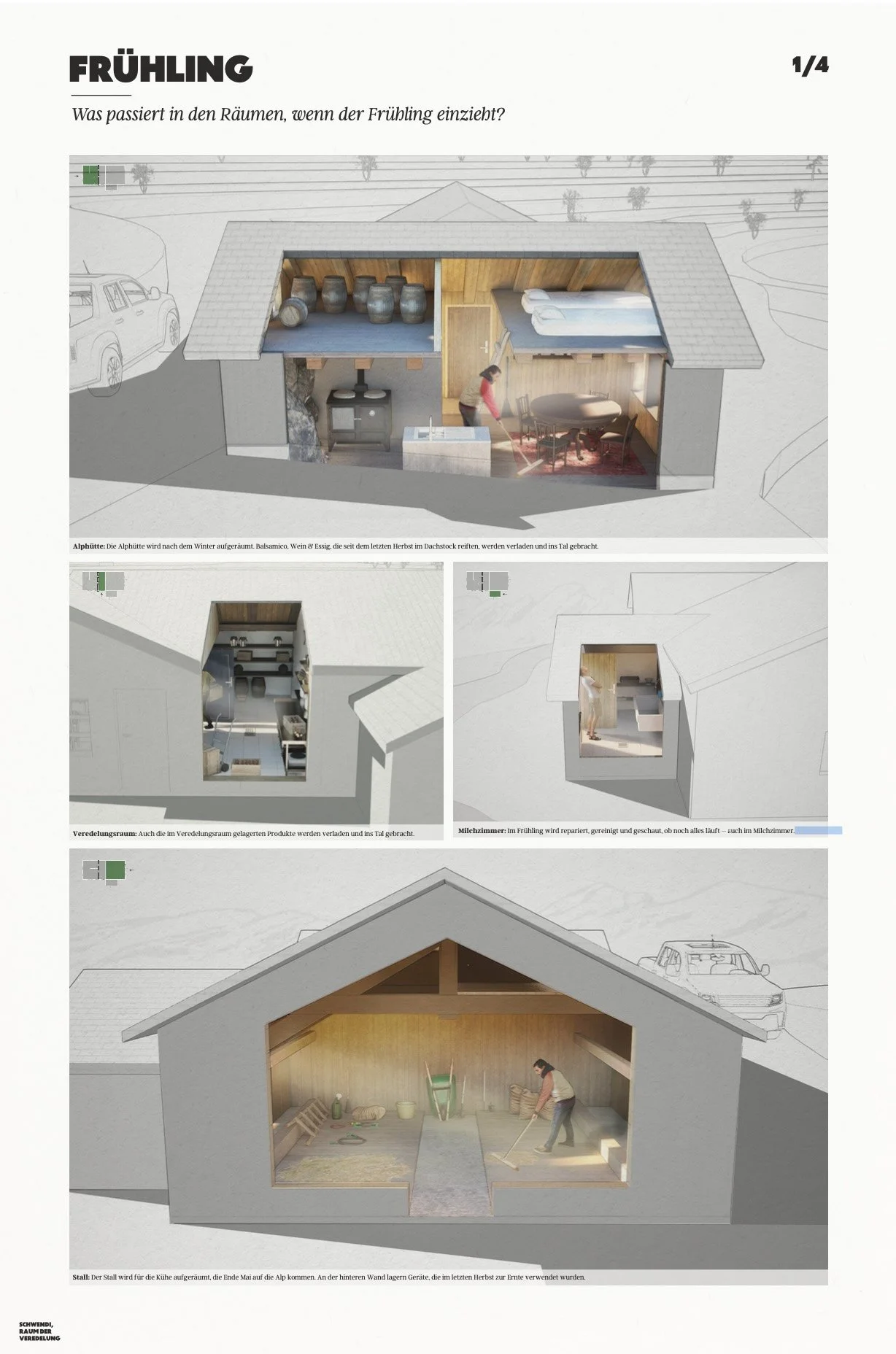
Small structural changes are needed to reorganise the existing rooms. The hut's basic structure stays as it is, while new spaces for working, storage, and maturing take shape. It matters to me that these solutions stay economically realistic and do not demand too much effort, while also maintaining respect for the character of the alp. These innovations aren't technical reinventions. They tie what's already there together: the land, farming, and time. Schwendi isn't seen as an empty problem but as a resource that already exists. As a place that can be taken further.
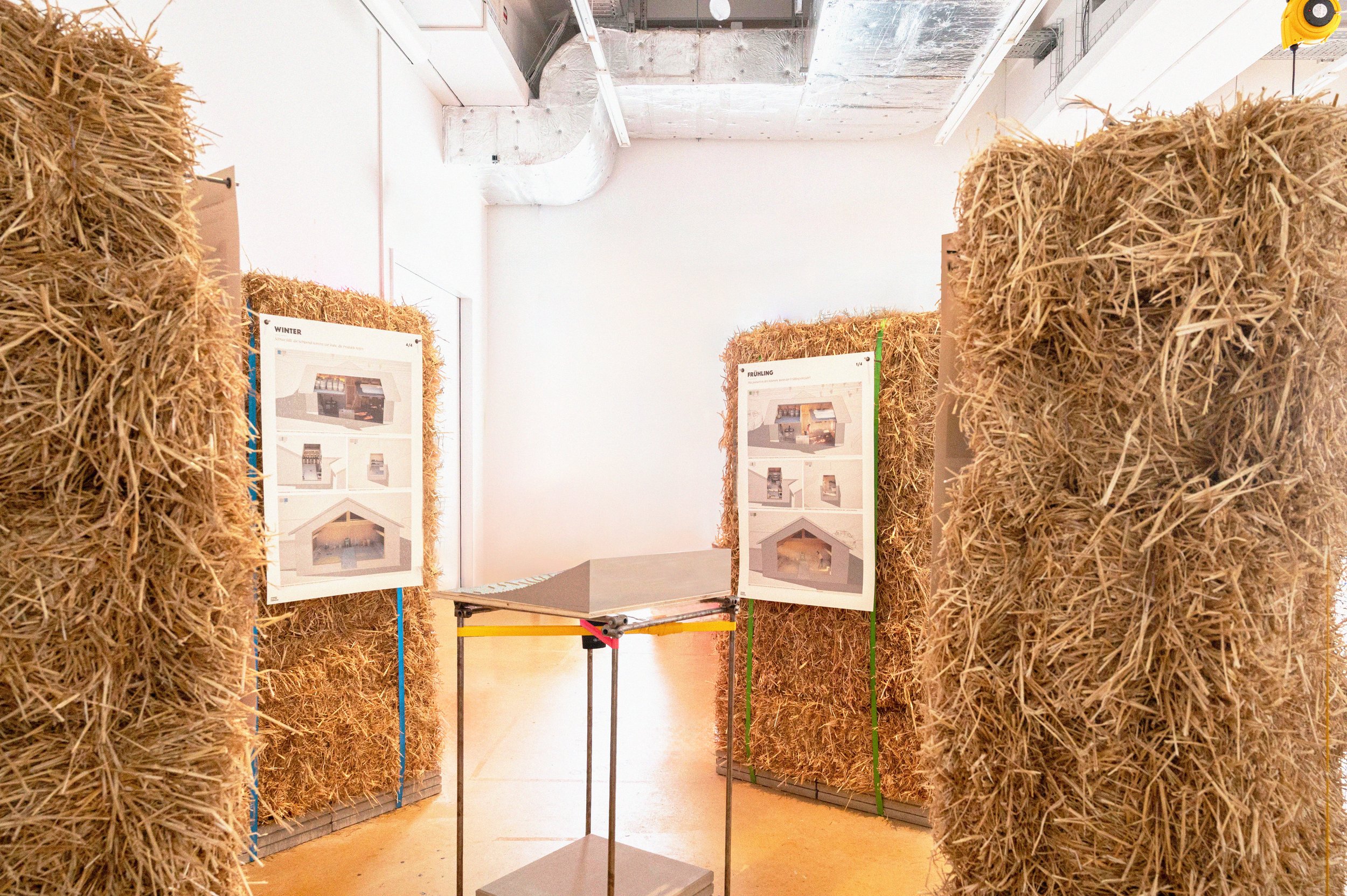
For the final exhibition of my project, I translated the concept into a spatial installation. An interactive environment model shows Schwendi and its surroundings over the course of a year. Visualisations on straw walls show how the rooms change: the lively summer operation giving way to the quiet maturing of winter. The installation lets you experience how traditional alpine farming and food refining can complement each other.
With my Bachelor's thesis I want to show that unused alpine spaces don't have to be read simply as relics of a farming past. Rather, they can be starting points for new concepts that are sustainable and make economic sense, especially when they grow out of the place itself. For farmers, models like this could create an extra source of income without giving up the existing use.
Where the project goes from here is still open. Primarily, it is meant to show how Schwendi could be more active in the future, and how the concept might carry over to other huts too. The following questions explore how the concept might adapt to different contexts: Where is the hut? How do you reach it? And what structural condition is it in?
Maybe these ideas remain concepts for now, but maybe one day they turn into a small production and maturing room in a hut on the side of a mountain. One thing is certain: this work and research showed me there is more potential in places like this than can be seen at first glance, and that the quiet, seemingly unused spaces are often the ones with the most to offer.